What I treat
Back pain
Does this sound like you?
- You bent down to pick something up and something "went." Now you can barely stand up straight
- A dull ache that's been grumbling for months, and you haven't realised how much it's made you cut back
- It hurts most after sitting, and eases once you get moving
- You're stiff and sore first thing in the morning
- It flares up predictably, like after gardening, a long drive, or a heavy week
What's usually going on
Backs are strong. They're built to bend, lift and twist.
Most episodes of back pain do not mean your back is seriously damaged. Pain can be influenced by how the back has been loaded, activity levels and a range of other factors. The muscles around the area then tighten up protectively, which is why it can feel so alarming and so stuck.
Two things worth knowing
"Slipped disc" isn't really a thing. Discs don't slip. They can bulge or become irritated, and that can be painful, but the phrase makes it sound far more permanent than it is.
Most people don't need a scan. Scans of pain-free backs routinely show bulges, wear and degeneration. Because scan findings often don't match symptoms, imaging usually doesn't change what we'd do, which is why it's not the starting point.
How I can help
I treat general, acute and chronic back pain. If your pain began after a significant injury, fall or accident, you may need medical assessment first.
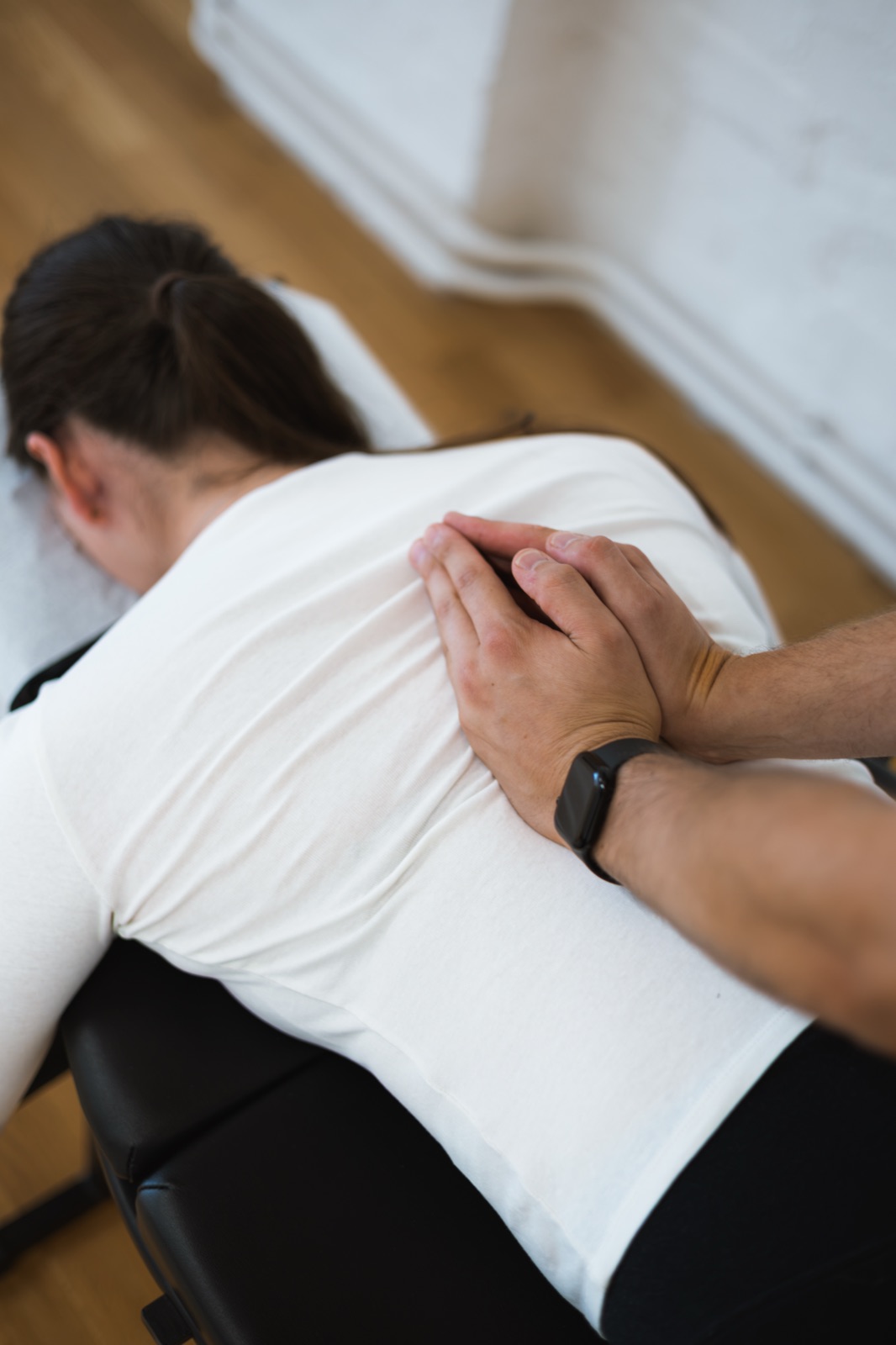
I'll work out what's driving it, treat the area hands-on, and give you a clear plan for getting back to normal activity. Often this will involve rehab, and I'll teach you more about pain to help you understand it.
What treatment looks like
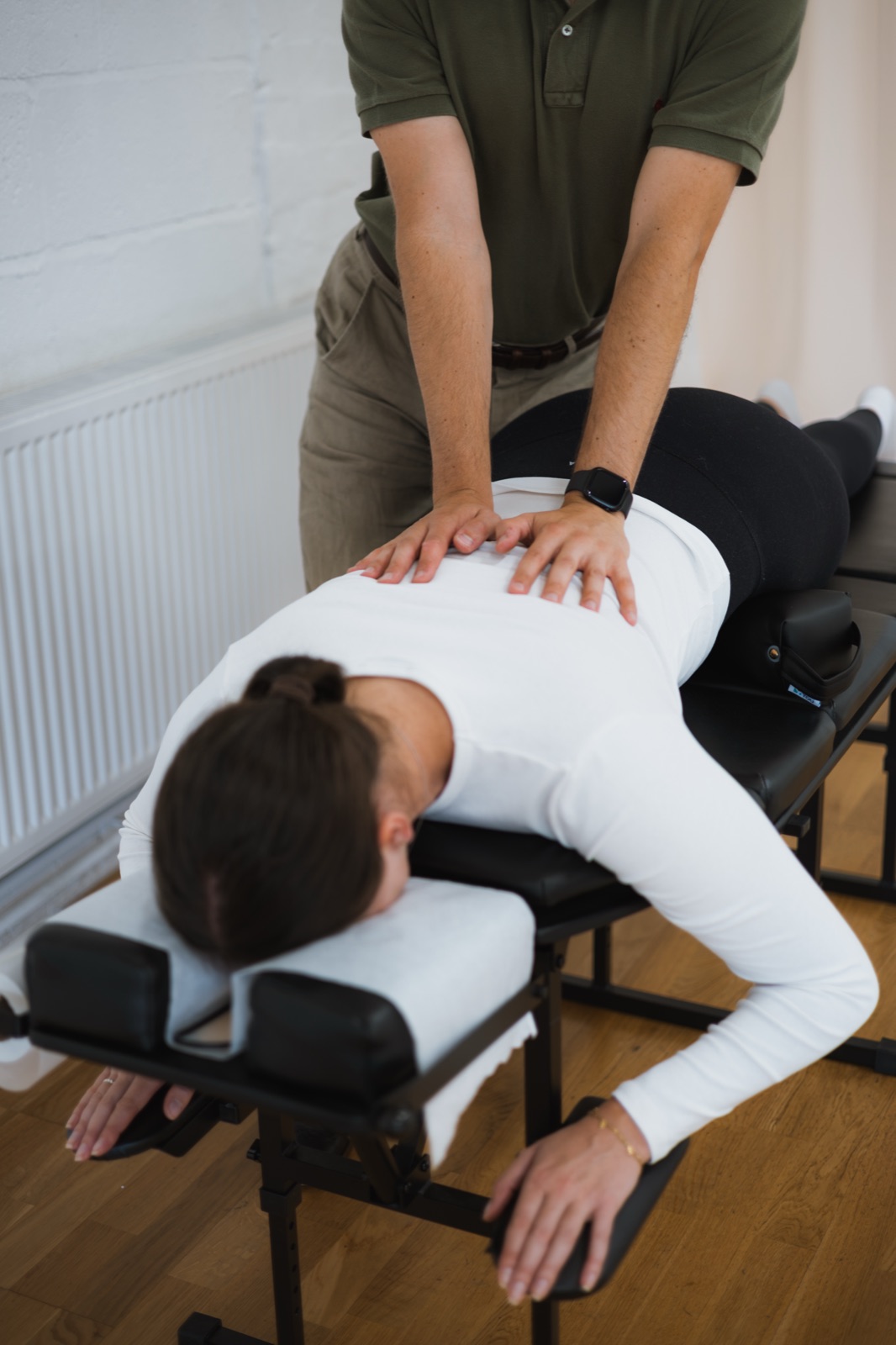
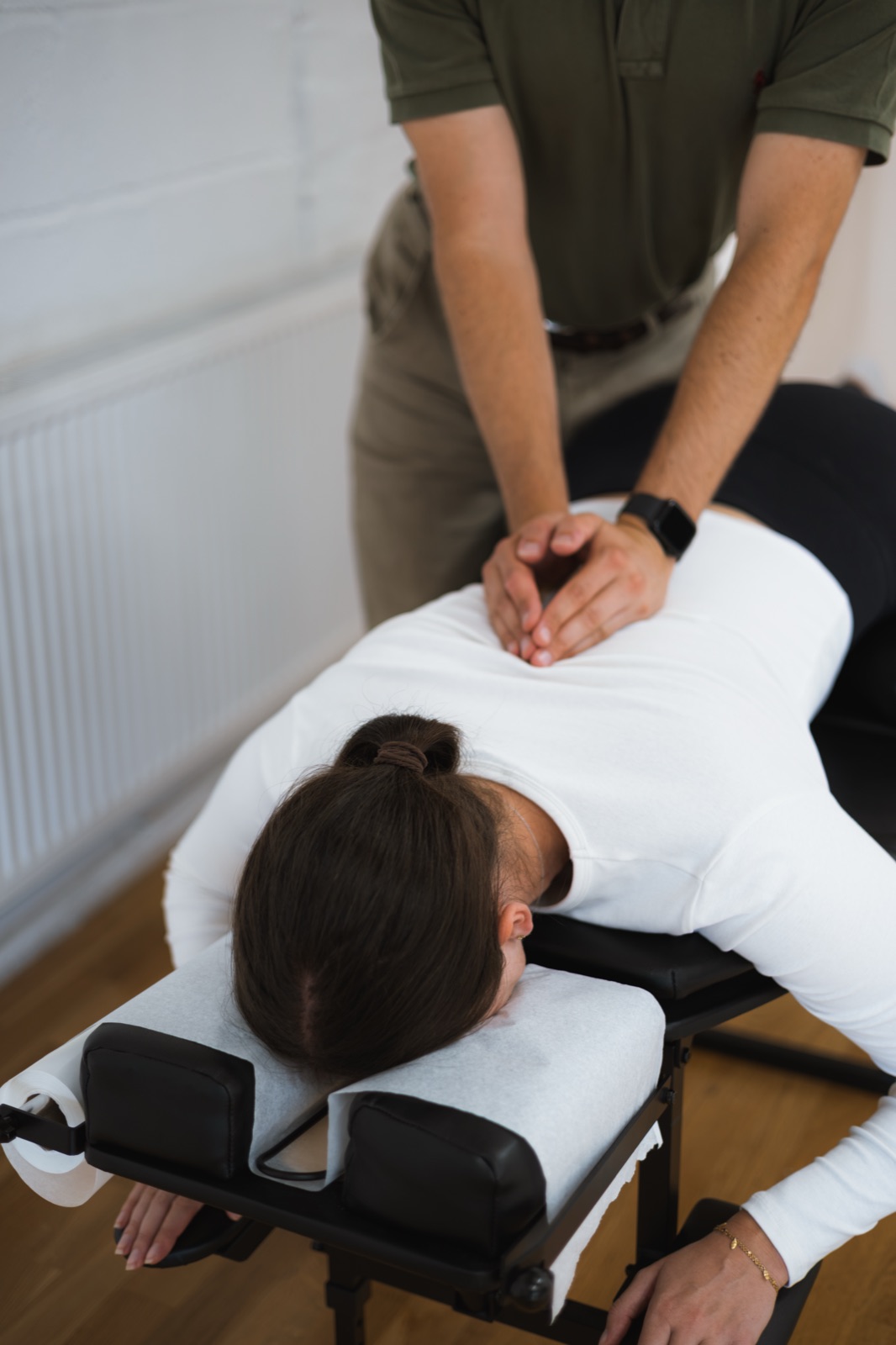
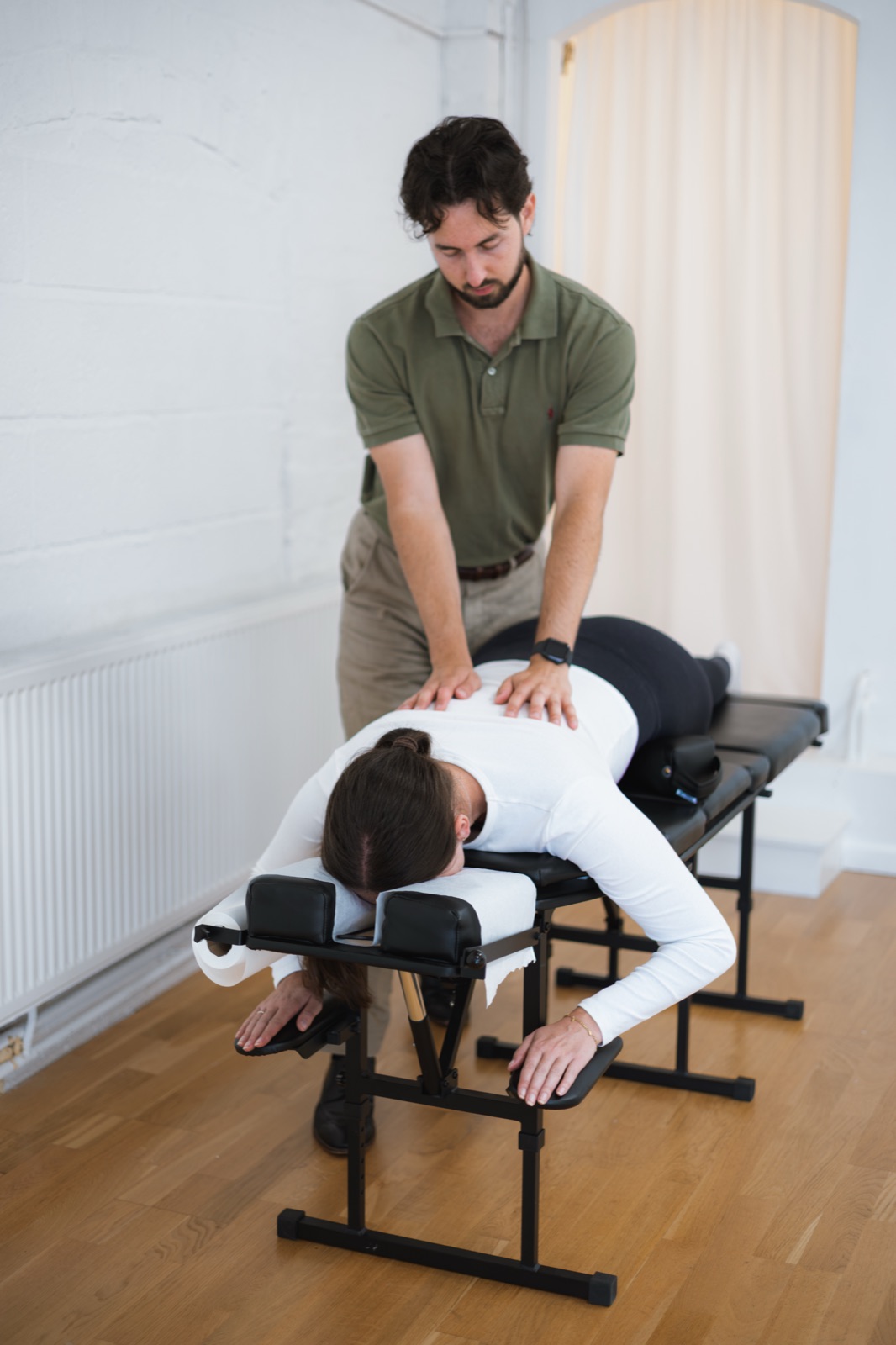
Every session is tailored to what's actually going on — not a one-size-fits-all routine.
Book your appointmentWhat happens at your first appointment
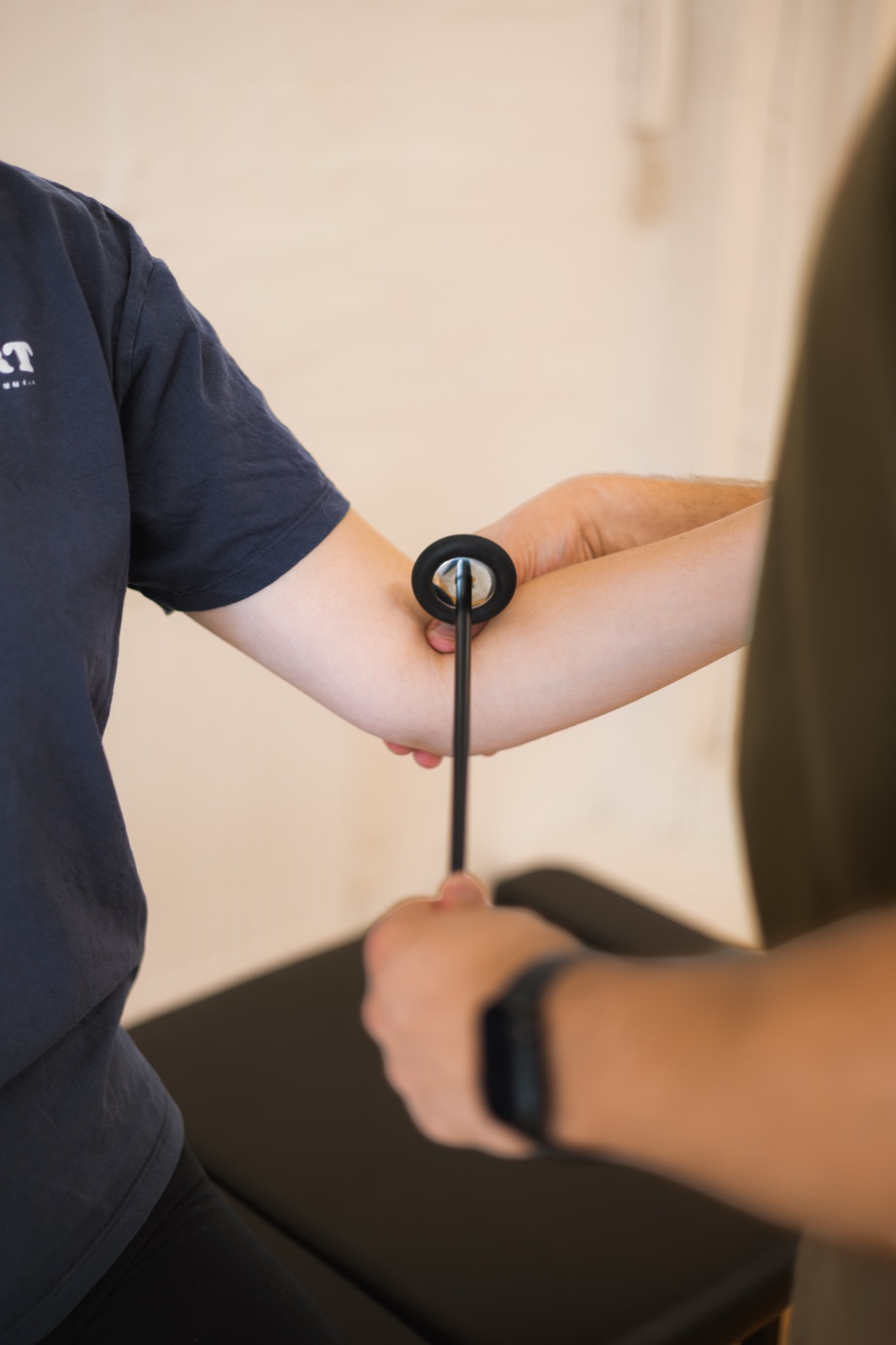
I'll ask how it started and what makes it better or worse. Then I'll examine how your back moves, test the relevant nerves and muscles, and check the hips and mid-back, which often play a part.
You'll leave knowing what I think the problem is, in plain English.
Full walkthrough of a first appointment →How long will it take?
An acute lock-up often settles quickly, while long-standing back pain usually takes longer. Recovery time varies considerably from person to person. I'll give you a realistic estimate after assessing you, and I'll tell you if it's not going the way I expected.
How many appointments will I need? →Should I rest or keep moving?
Keep moving, within reason.
Bed rest was standard advice decades ago and it made people worse. Gentle, regular movement is now the clear recommendation. You don't need to push into severe pain, but you do need to keep the area moving.
When I'm not the right person
Go to A&E immediately
Go to A&E straight away if you have:
- Numbness or tingling around your back passage, genitals or inner thighs
- Difficulty passing urine, or loss of bladder or bowel control
- Weakness in both legs
See your GP
See your GP first if your back pain started after a significant fall or accident, or comes with:
- Fever
- Unexplained weight loss
- A history of cancer
What you can do right now
- Walk. Little and often, even if it's five minutes.
- Don't wrap yourself in cotton wool. Movement is treatment.
- Change position regularly rather than finding one "safe" position and staying there.
Book your appointment
Having trouble with the booking form? Open online booking →
Prefer to book by message? Message me on WhatsApp: +44 7871 283457