What I treat
Shoulder pain
Does this sound like you?
- You can't lie on that side, because it wakes you up
- Reaching overhead, or behind your back, is the movement that catches
- It aches down the outside of your upper arm
- It came on gradually, without a specific injury
- It's worse after painting, decorating, or anything above head height
Not all shoulder pain comes from the shoulder
This one surprises people.
Your neck and upper back can refer pain into the shoulder and upper arm. The shoulder feels like the problem, but it isn't the source, which is why treatment aimed only at the shoulder sometimes goes nowhere.
Part of my job at your first appointment is working out which it is. That's a straightforward thing to test for, and it changes the whole plan.
What's usually going on
When it is the shoulder itself, the most common cause is irritation of the rotator cuff, the group of muscles and tendons that control and stabilise the joint (this is why the shoulder is often referred to as a muscular joint). That's typically a loading problem: the tendon has been asked to do more than it was ready for.
How I can help
I treat shoulder pain, shoulder dysfunction and rotator cuff problems, and soft tissue disorders of the shoulder.
Where the pain is actually coming from the neck, I treat that instead, which is often why people who've had shoulder treatment elsewhere without much luck start making progress.
What treatment looks like
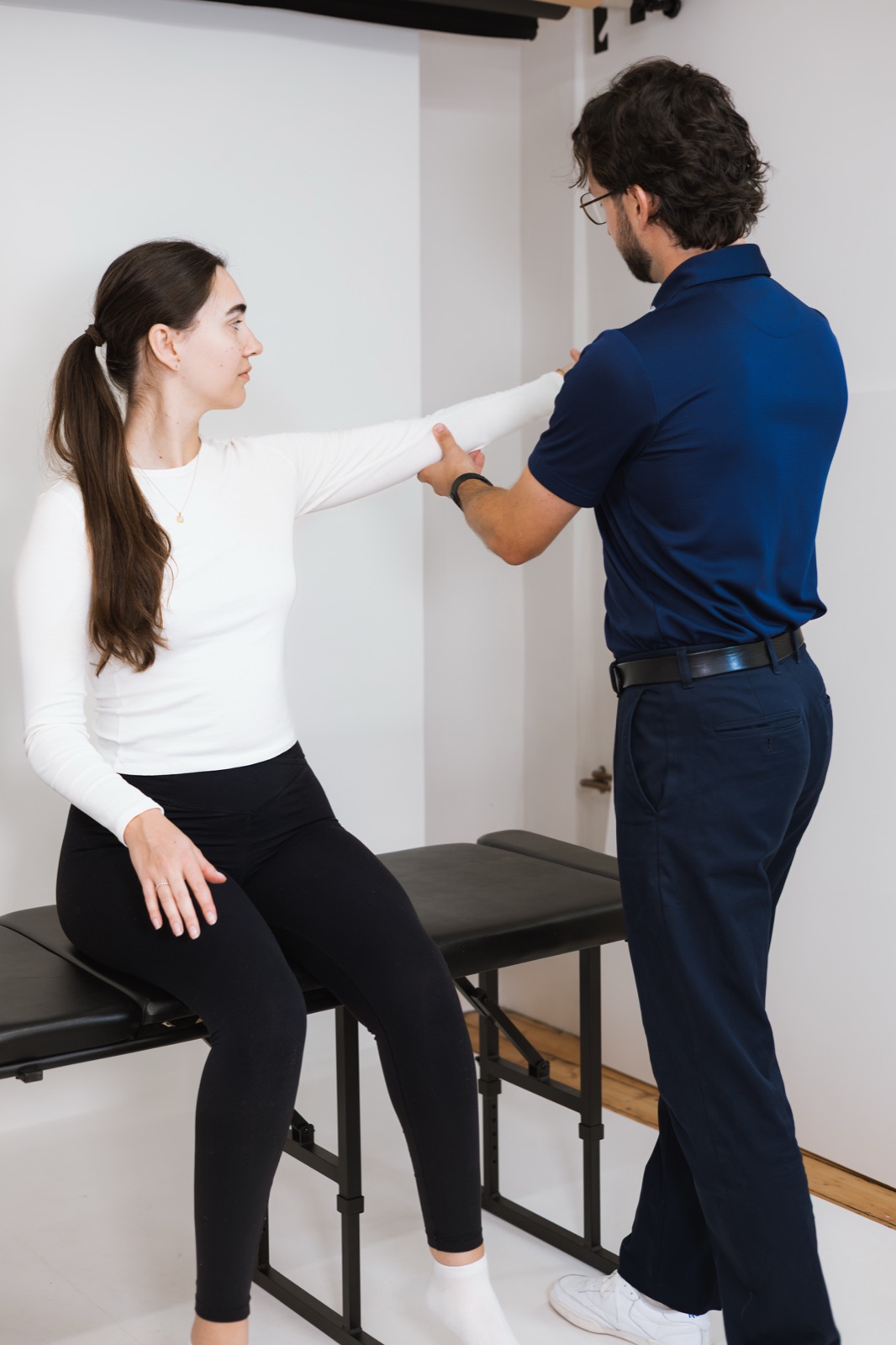
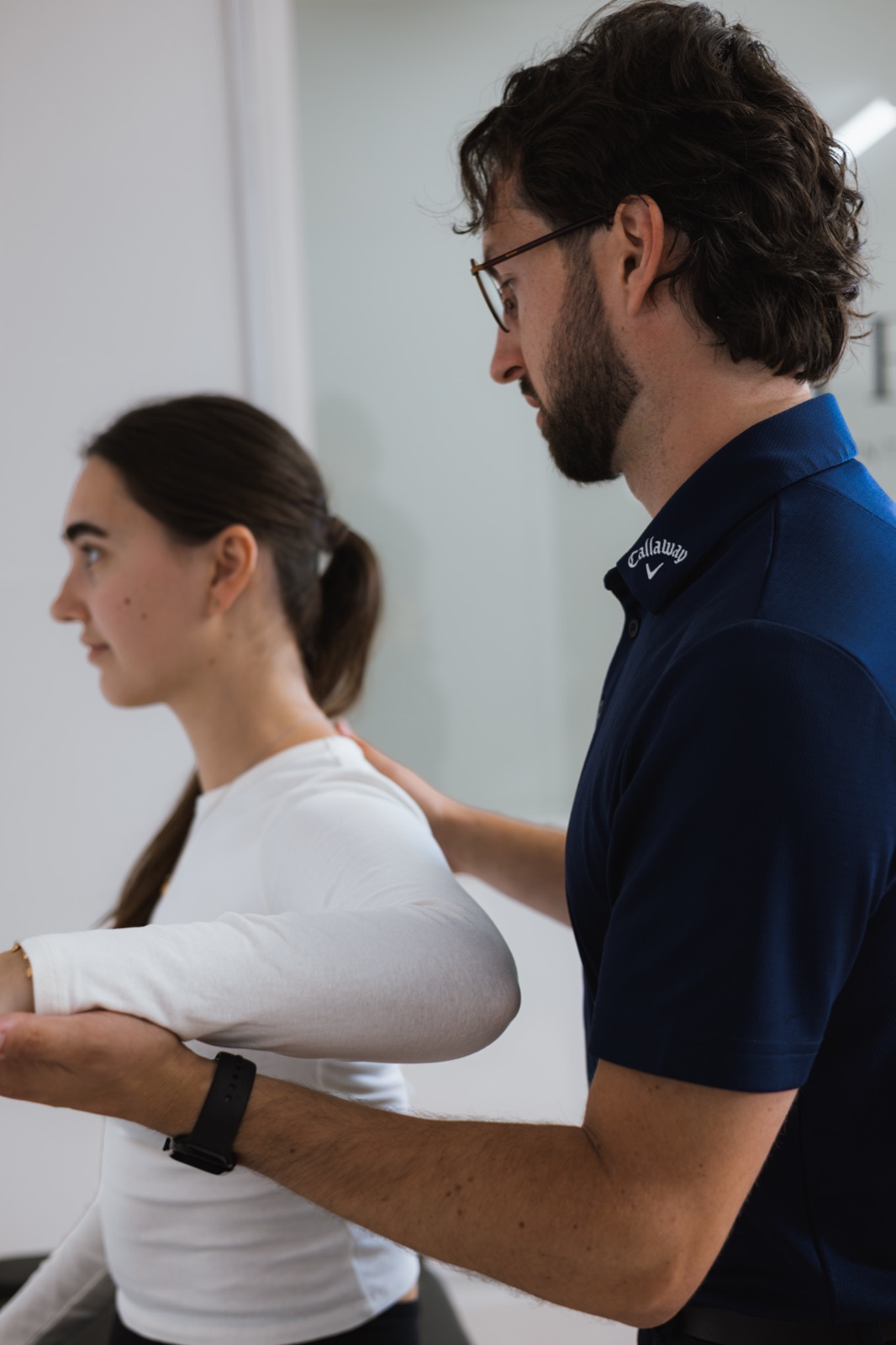
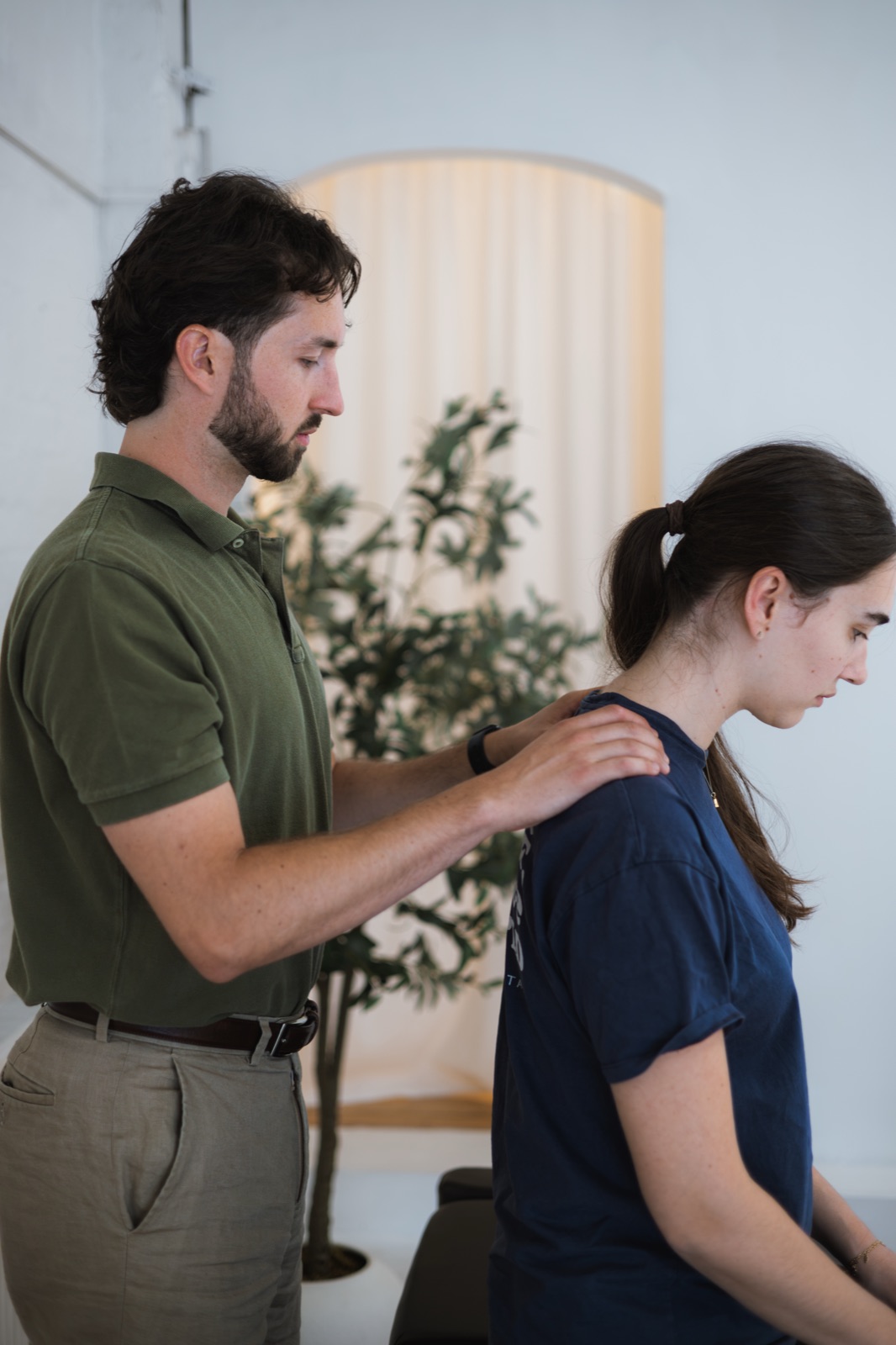
Assessment, treatment and a plan — all in the same session where appropriate.
Book your appointmentA note on "frozen shoulder"
Frozen shoulder is a specific condition where the shoulder becomes genuinely, progressively stiff in almost all positions. You lose movement even when someone else moves your arm for you. It runs a long course, often well over a year, and it's managed differently from ordinary shoulder pain.
Not every stiff or painful shoulder is a frozen shoulder. If I think that's what's going on, I'll tell you, explain what it means, and make sure you're seen by the right specialist; injections may be part of that.
What happens at your first appointment
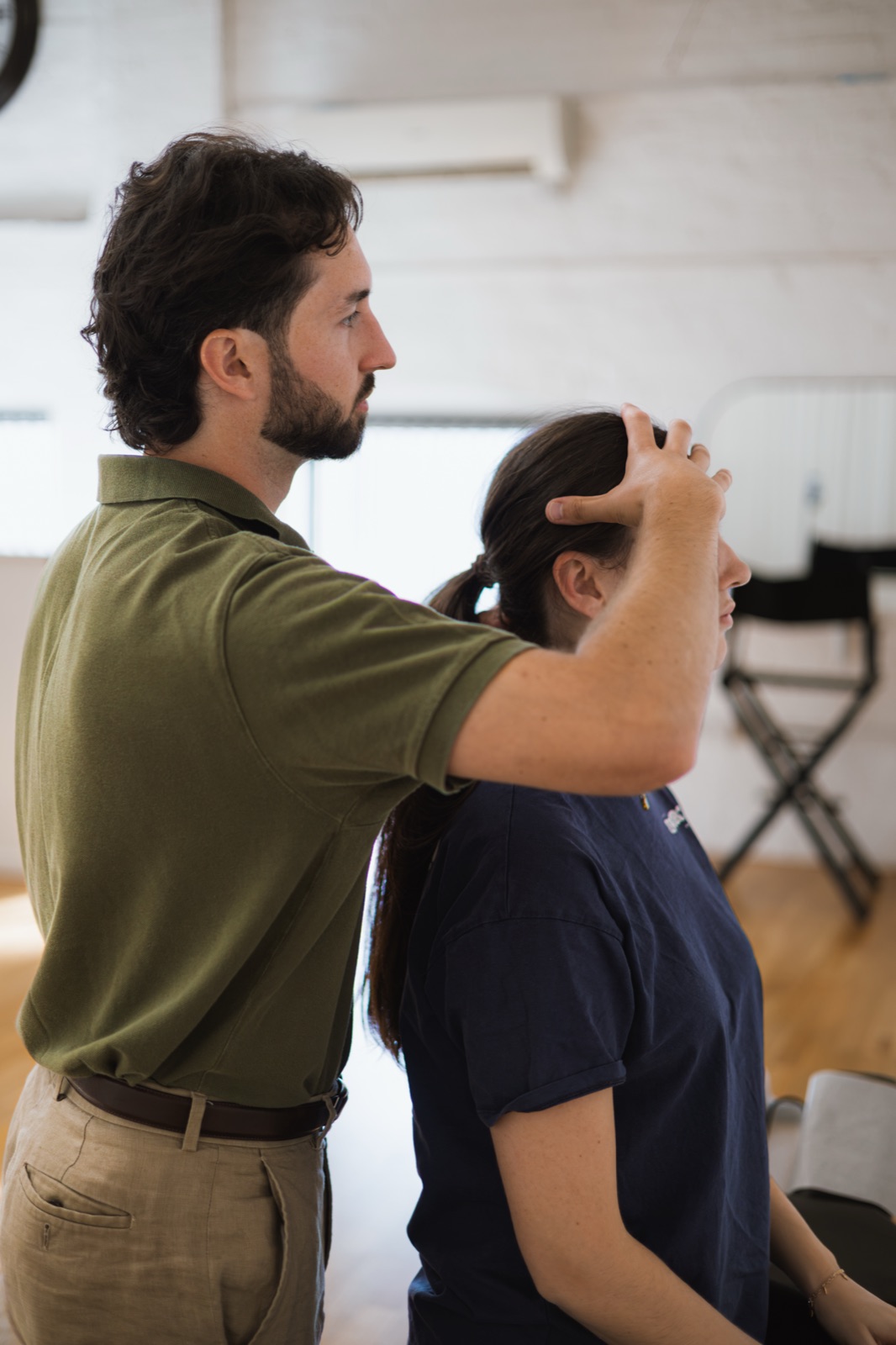
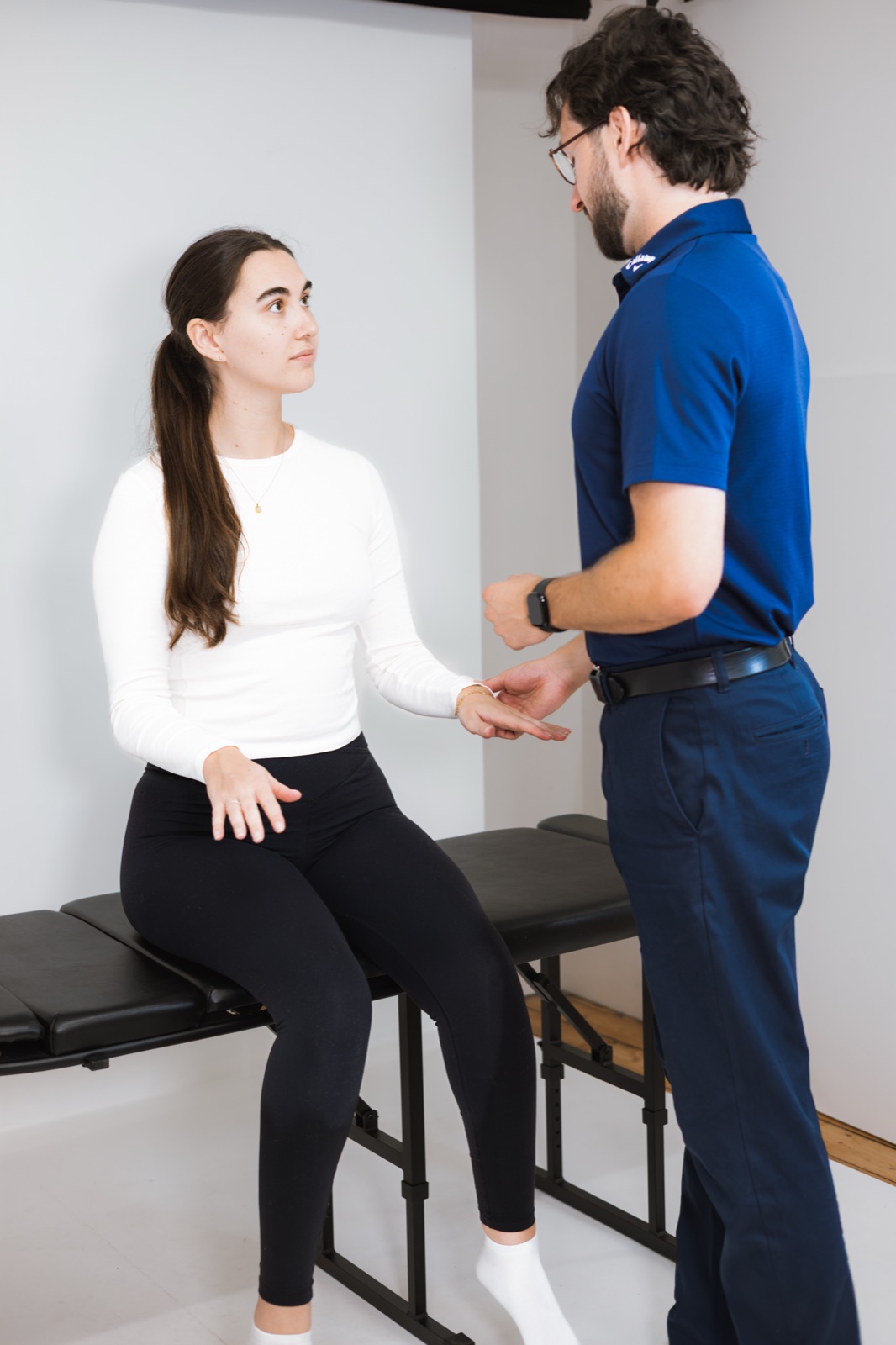
I'll test the shoulder through all movements, check the rotator cuff specifically, and assess your neck and upper back to work out where the pain is actually coming from.
Full walkthrough of a first appointment →How long will it take?
Shoulders are typically slower to recover than necks and backs, and recovery time varies considerably. You'll usually have some homework alongside hands-on treatment: shoulder problems generally need loading exercises to fully settle. I'll give you a realistic estimate after assessing you.
How many appointments will I need? →When I'm not the right person
Call 999 immediately
Call 999 immediately if you have chest pain that spreads to your arm, neck or jaw, particularly if you are short of breath, sweaty, nauseous or light-headed. This is not something a chiropractor can help with.
See your GP
See your GP if:
- Your shoulder pain followed a dislocation or significant injury
- You can't lift your arm at all
- The shoulder looks visibly deformed or out of shape
What you can do right now
- Sleep with a pillow under that arm to take the drag off the joint.
- Don't stop using it entirely. Complete rest tends to stiffen shoulders up.
- Ease off the aggravator, the overhead work, the heavy bag on that side.
Book your appointment
Having trouble with the booking form? Open online booking →
Prefer to book by message? Message me on WhatsApp: +44 7871 283457